TBH Creative’s 5 most popular marketing and web design articles from 2025
From the continued importance of video to mobile-first design, the TBH Creative team wrote a variety of marketing and web design articles from 2025, covering the latest news and biggest online trends.
We spent some time digging into stats in our blog’s Google Analytics account to find out which resources were the most popular, and the results are in. Keep reading to reacquaint yourself with our top tips, tools, and tricks from 2025.
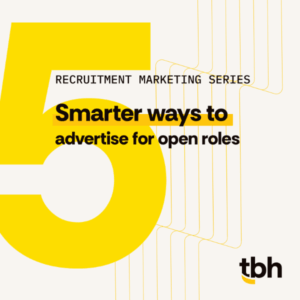
Recruitment marketing reimagined: Building stronger teams with smarter outreach
In our fifth-most popular post from 2025, TBH Creative introduces recruitment marketing as an HR strategy that applies the same brand-focused, audience-focused approach to hiring that companies use for sales.
The article walks through how the candidate journey mirrors the customer journey across four stages: awareness, consideration, application, and retention. Each stage comes with specific challenges (like candidate ghosting and slow hiring processes) and corresponding tools (from digital ads and email sequences to AI-powered communication and streamlined job posts).
The post, which serves as an introduction to our series focused on optimizing marketing efforts to enhance hiring and retention, also contrasts traditional methods, such as career fairs and headhunting, with modern web-based approaches, noting that online recruitment values reached $11 billion in 2023 and are expected to reach $41 billion by 2032.
Key takeaway: Top talent stays on the market for just 10 days on average, making speed and strategic outreach critical in a job market where candidates now research employers like consumers researching products.
9 reasons digital video marketing campaigns fail (and what to do instead)
In our fourth-most popular post from 2025, TBH Creative’s Tatum Hindman and Mork Productions’ Andy Mork break down nine common mistakes that tank ROI in digital video marketing. The article addresses everything from measuring video impact, like pay-per-click campaigns, to cramming too much information into short formats.
With nearly 34% of TikTok’s U.S. users aged 25-34 spending 58 minutes daily watching videos, the stakes for getting video marketing right have never been higher. The experts emphasize that video works differently from other marketing channels because its impact happens higher in the funnel, where traditional attribution models break down.
The post also provides expert advice on handling practical concerns, such as realistic production timelines (starting three to four months before launch for major campaigns), understanding what drives costs (shoot days, talent, and locations matter more than equipment quality), and the critical importance of distribution planning. As Hindman notes, “We’ve been in situations where clients have produced videos and haven’t rolled them out properly. They’ve invested significantly in video production, but those fantastic videos go unseen.”
The article also explores how AI is changing video production, from translating content into multiple languages to isolating voices in noisy environments and even changing individual words in voice-overs without rehiring talent.
Key takeaway: Video marketing campaigns often fail because marketers treat them like direct response ads or skip crucial steps like distribution planning, but success comes from understanding video’s unique role in the customer journey.
CMS website development: 4 pre-build decisions that impact budgets and timelines
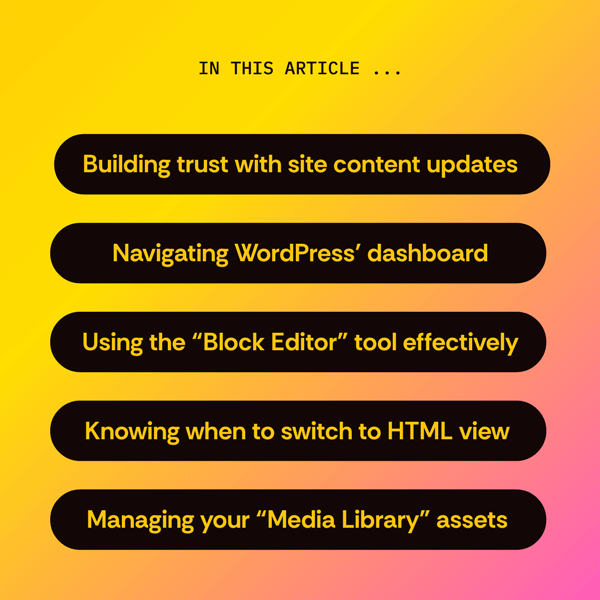
In our third-most popular post from 2025, web developer Kayleigh Circle walks through the pre-build planning decisions that separate smooth CMS website projects from those that spiral. The article addresses four critical areas:
- Defining content structure
- Identifying template needs
- Assessing plugins and third-party tools
- Optimizing the editing experience
Each section includes specific questions that development teams should answer before coding begins, such as determining whether content migration is required, mapping how different content types connect, and understanding who will manage updates post-launch. Circle emphasizes that “without proper planning, you’ll likely need more time or budget than expected once development starts.”
By the numbers
- Third-party apps account for nearly half of a site’s total load time
- 52% of CMS users consider visual editing essential
- Saving just one second in page load time can boost mobile conversions by 3%
Beyond the four main planning areas, Circle addresses additional technical considerations such as performance optimization, accessibility requirements, and security protocols.
Key takeaway: Poor planning in CMS website development leads to budget overruns and timeline delays, but four strategic decisions made early can prevent costly rework later in the project.
15 careers page examples that turn visits into applications
Our second most-read blog article from 2025 explores what separates exceptional careers pages that attract top talent from those that send candidates clicking away.
The post examines real-world examples across industries—from tech companies like Doist and TaskRabbit to healthcare organizations like Florida Orthopaedic Institute—breaking down the specific elements that make each one effective. It also highlights critical must-haves for any careers page:
- Clear company culture information,
- Optimized, mobile-friendly design,
- Easy access to open roles, and
- Authentic employee testimonials.
With 67% of candidates using mobile devices during their search, these elements directly impact application rates. Beyond showcasing standout examples, the article provides practical guidance for auditing your own careers page.
Key takeaway: Job seekers behave like savvy consumers, and 75% consider employer brand before applying, making your careers page a strategic recruiting tool rather than just a list of open positions.
After 20 years and 100+ awards, these are the 5 marketing principles I swear by
In our most popular post from 2025, TBH Creative founder and president Tatum Hindman walks through the approaches that have worked across healthcare, manufacturing, and nonprofit clients, starting with the unglamorous but essential work of doing your homework before launching anything. She emphasizes knowing your data, thinking outcomes over tactics, and staying agile while keeping what’s working.
One healthcare client saw their monthly leads jump from 10-20 to 1,221 in three months, at a cost of $58.50 per patient, all from making minor changes based on audience insights. As Hindman puts it, “Data is the magic sauce after a plan is in place and activities begin. Without it, you’re again betting on chance and navigating blind.”
The article also examines why partnerships matter more than vendor relationships and how integrated, long-term strategies outperform scattered quick wins. Hindman points to campaigns like Dove’s “1/4 Moisturizing Cream” that ran for 25 years because they aligned with what customers actually wanted.
Each of the post’s five principles includes questions to help readers apply these ideas immediately to their strategic planning, whether they’re evaluating current tactics or building next year’s strategy.
Key takeaway: Research-driven strategies deliver measurable marketing results, from turning qualified leads around by 2,600% to building campaigns that last decades instead of months.

About the author Joy Olivia Miller
Joy is the creative director at TBH Creative and uses her expertise to help clients use their online communications to build, design, and manage their brands. She likes to blog about content marketing in all its forms, the latest trends in digital marketing, and share tools with readers.